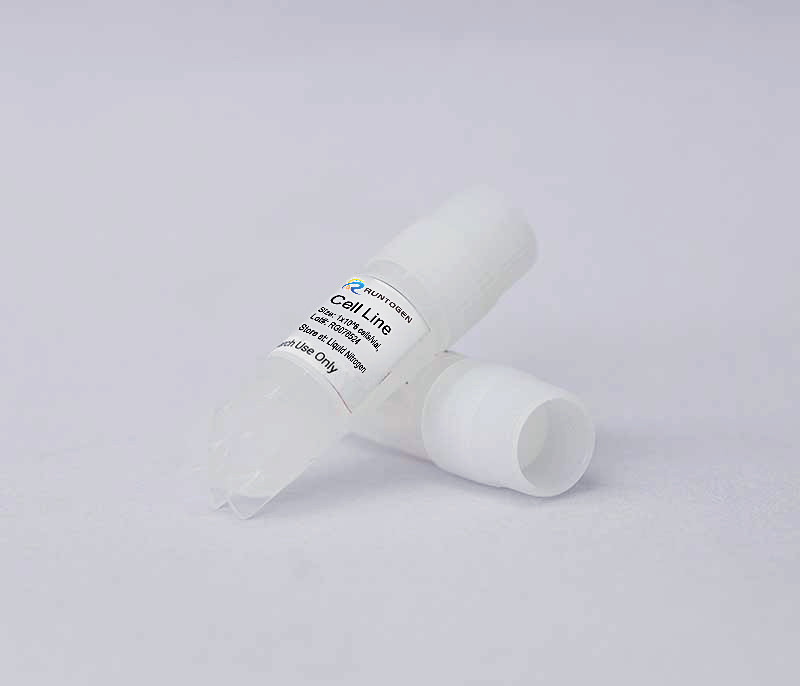
Gene Knockout Cell Lines for Advanced Biological Research
5,000+Knockout Cell Lines in stock.
Runtogen's CRISPR Knockout Cell Lines are powerful, specially engineered tools for researchers. They enable the exploration of gene function and the advancement of biological research. By selectively disrupting specific genes, these cell lines allow you to study the impact of gene loss on cellular processes, disease models, and drug discovery pathways.
Knockout cell lines are genetically modified cells in which one or more genes have been intentionally "knocked out" or deactivated. Using advanced gene editing technologies like CRISPR-Cas9, we create precise and stable gene disruptions. This allows for a deeper, more accurate understanding of gene function in a controlled setting.
Tailored to your specific research needs. We can target genes across a wide variety of cell types.
Each knockout cell line undergoes rigorous quality control and validation to ensure reliable, reproducible results.
Ideal for functional genomics, disease modeling, drug discovery, and core biomedical research.
Knockout cell lines are fundamental for functional genomics. They help you uncover the role of specific genes in cellular processes like growth, differentiation, and metabolism.
These cell lines are invaluable for creating accurate in vitro models of diseases, from cancer to neurodegenerative disorders. They allow for better mechanistic understanding and pre-clinical testing of therapeutic strategies.
Knockout cell lines are instrumental in high-throughput drug screening. They help researchers identify and validate potential drug targets by assessing compound effects in the absence of a specific gene.
We utilize the latest CRISPR-Cas9 gene editing tools to create high-precision knockout cell lines.
Save valuable time with immediate access to over 5,000 ready-made, validated knockout cell lines in our catalog.
Get your cell lines quickly and benefit from the support of our specialist team.
Homozygous clones validated by Sanger sequencing, edited in commonly used cell lines.
Whether you are studying basic gene function, developing advanced disease models, or screening for new drug targets, our knockout cell lines are engineered to meet the highest standards of quality and precision.