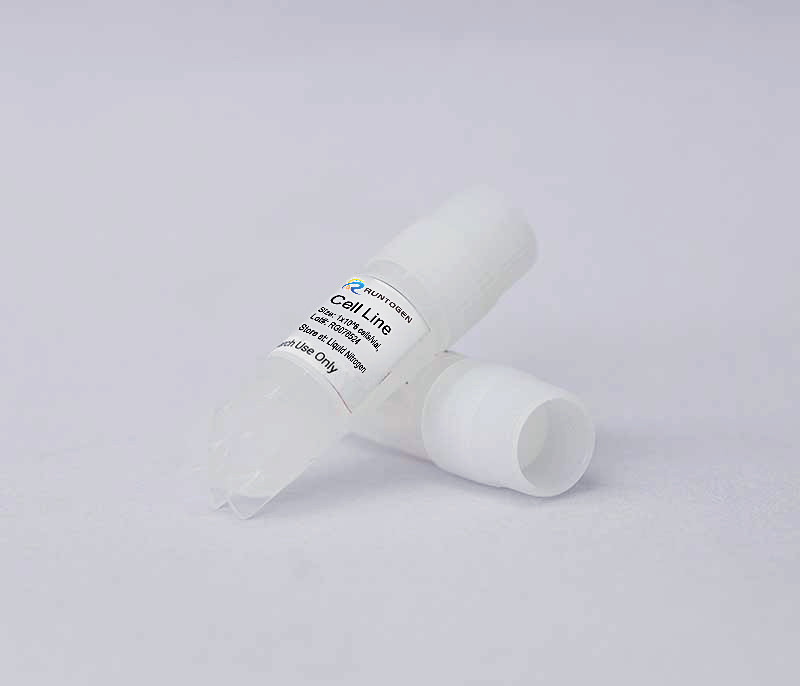
Stem Cells
Stem cells are a unique type of cell with the ability to self-renew and differentiate into specialized cell types. They serve as the foundation for all tissues and organs in the body and play a critical role in development, tissue repair, and disease treatment. Due to their regenerative potential, stem cells have become a focal point of research in regenerative medicine, disease modeling, and drug discovery.
Types of Stem Cells
1. Embryonic Stem Cells (ESCs)
Embryonic stem cells are pluripotent cells derived from the inner cell mass of a blastocyst, an early-stage embryo. These cells can differentiate into any cell type in the body, making them highly valuable for medical research and regenerative therapies. However, their use raises ethical concerns, leading to increased interest in alternative sources of pluripotent stem cells.
2. Adult (Somatic) Stem Cells (ASCs)
Adult stem cells are multipotent and found in various tissues, including bone marrow, blood, brain, and skin. They are responsible for tissue repair and maintenance. Examples include:
- Hematopoietic Stem Cells (HSCs): Found in bone marrow, they give rise to all blood cell types and are used in bone marrow transplants.
- Mesenchymal Stem Cells (MSCs): Found in bone marrow, fat tissue, and umbilical cord, these cells can differentiate into bone, cartilage, and fat cells. MSCs have therapeutic potential for treating inflammatory diseases, orthopedic injuries, and autoimmune disorders.
3. Induced Pluripotent Stem Cells (iPSCs)
iPSCs are adult cells that have been genetically reprogrammed to exhibit pluripotency, similar to ESCs. This breakthrough technology allows researchers to generate patient-specific stem cells, overcoming ethical concerns and reducing the risk of immune rejection in transplantation. iPSCs have opened new avenues for personalized medicine, drug screening, and studying genetic diseases.
Applications of Stem Cells
1. Regenerative Medicine and Cell Therapy
Stem cells offer promising solutions for replacing damaged or diseased cells and tissues. Some of the most significant applications include:
- Neurological Disorders: Treating conditions such as Parkinson’s disease, Alzheimer’s disease, and spinal cord injuries by replacing lost neurons.
- Diabetes Treatment: Using stem cell-derived pancreatic cells to restore insulin production in diabetic patients.
- Cardiovascular Repair: Generating new heart muscle cells to treat heart disease and repair damage after a heart attack.
- Bone and Cartilage Regeneration: Repairing injuries and degenerative conditions such as osteoarthritis with stem cell-derived tissues.
2. Disease Modeling and Drug Discovery
Stem cells enable scientists to model human diseases in the lab, providing a platform for studying disease progression and testing new drugs. iPSC-derived cells can be used to create patient-specific disease models, improving the efficiency of drug development and reducing reliance on animal testing.
3. Gene Editing and Personalized Medicine
With advancements in CRISPR and other gene-editing technologies, stem cells can be genetically modified to correct disease-causing mutations. This approach has the potential to develop personalized treatments for genetic disorders such as cystic fibrosis, sickle cell anemia, and muscular dystrophy.
Challenges and Ethical Considerations
While stem cell research holds great promise, it also faces several challenges:
- Ethical Concerns: The use of embryonic stem cells raises moral and ethical questions, prompting the development of alternatives like iPSCs.
- Immune Rejection: Transplanted stem cells may trigger immune responses, requiring immunosuppressive treatments or patient-specific cell therapies.
- Tumor Formation: Some stem cells, particularly pluripotent cells, have the potential to form tumors if not carefully controlled during differentiation.
Why Choose Our Stem Cell Solutions?
At Runtogen, we specialize in providing high-quality stem cell lines, custom gene editing services, and advanced cell culture solutions for research and therapeutic applications. Our expertise in CRISPR technology, cell differentiation, and regenerative medicine ensures reliable and reproducible results for your scientific needs.
-
Sheep Bone Marrow Mesenchymal Stem Cells
Catalog#: RPC-1126
Size: >5*10^5 cells/vial
-
Rat Tympanic Membrane Epithelial Stem Cells
Catalog#: RPC-1108
Size: >5*10^5 cells/vial
-
Rat Umbilical Cord Blood Mesenchymal Stem Cells
Catalog#: RPC-1110
Size: >5*10^5 cells/vial
-
Rat Umbilical Cord Mesenchymal Stem Cells
Catalog#: RPC-1111
Size: >5*10^5 cells/vial
-
Rat Vertebral Endplate Cartilage Stem Cells
Catalog#: RPC-1122
Size: >5*10^5 cells/vial
-
Rat Synovial Mesenchymal Stem Cells
Catalog#: RPC-1087
Size: >5*10^5 cells/vial
-
Catalog#: RPC-1091
Size: >5*10^5 cells/vial
-
Rat Periodontal Ligament Stem Cells
Catalog#: RPC-1035
Size: >5*10^5 cells/vial
-
Catalog#: RPC-1036
Size: >5*10^5 cells/vial