


Huh7 & HepG2: Advanced Models in Liver Cancer Research
2025 Edition — A practical guide to selecting, using, and sourcing the two most powerful in vitro models for hepatocellular carcinoma (HCC) research.
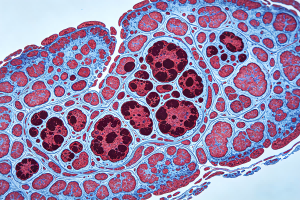
Liver cancer, especially hepatocellular carcinoma (HCC), remains one of the most challenging malignancies worldwide. To better understand tumor biology and accelerate drug development, researchers rely heavily on in vitro models.
Among the most widely used are the Huh7 cell line and HepG2 cell line — two advanced and complementary systems that have become essential tools in modern liver cancer research.
But how do these models differ, and how can you leverage them to improve experimental outcomes? In this guide, we break down their strengths, applications, and how to choose the right model — while also showing how high-quality cell sourcing can directly impact your results.
1. Why Huh7 and HepG2 Are Gold‑Standard Models
Both the Huh7 cell line and HepG2 cell line are widely cited in scientific literature due to their:
👉 Instead of choosing one over the other, many researchers use both to validate findings. Their true strength lies in their complementary nature.
4. Huh7 vs HepG2: Key Differences
| Feature | Huh7 | HepG2 |
|---|---|---|
| Viral Research | ✅ Excellent | ❌ Limited |
| Transfection Efficiency | High | Moderate |
| Liver Function | Moderate | Strong |
| Drug Metabolism | Limited | Excellent |
| Research Focus | Virology & Genetics | Pharmacology & Toxicology |
5. Why Using Both Models Improves Research Quality
Relying on a single model can lead to biased or incomplete conclusions.
Best Practice Approach:
➜ Use Huh7 for gene and viral studies
➜ Use HepG2 for drug and metabolism validation
6. The Hidden Factor: Cell Line Quality Matters
Even the best model can fail if the cell line quality is compromised.
Common Problems in Low‑Quality Cell Lines:
✖ Misidentification
✖ Mycoplasma contamination
✖ Genetic drift
✖ Poor reproducibility
👉 These issues can lead to failed experiments, wasted budget, and publication delays.
7. How Runtogen Helps You Get Reliable Results
At Runtogen, we understand that cell quality directly impacts research success.
✔ Mycoplasma‑free guarantee
✔ Fast global shipping (5–10 days)
Available models: High‑quality Huh7 cell line, reliable HepG2 cell line, customized cancer cell line development.
8. How to Choose the Right Model for Your Research
Choose Huh7 if you need:
- Viral infection models (HCV)
- High transfection efficiency
- Gene editing experiments
Choose HepG2 if you need:
- Drug metabolism studies
- Toxicity screening
- Liver function assays
Choose BOTH if:
- You want stronger, publication‑ready data
- You are validating therapeutic targets
9. Frequently Asked Questions (FAQ)
Both are essential — Huh7 for genetic/viral studies, HepG2 for drug/metabolism research.
Yes, but it is less suitable than HepG2 for metabolism‑related assays.
Misidentified cell lines can invalidate your entire experiment.
👉 Trusted suppliers like Runtogen provide fully validated, ready‑to‑use cell lines.
Conclusion
The Huh7 cell line and HepG2 cell line are not competing models — they are complementary tools that, when used together, can significantly enhance research outcomes.
👉 The real key to success lies not just in choosing the right model — but in choosing high‑quality, reliable cell lines.
🚀 Start Your Research with Confidence
Looking for premium Huh7 or HepG2 cell lines? Choose Runtogen for verified quality, fast delivery, and reliable performance.
Accelerate your research with Runtogen.